AI Powered Patient Care That Feels Patient Needs

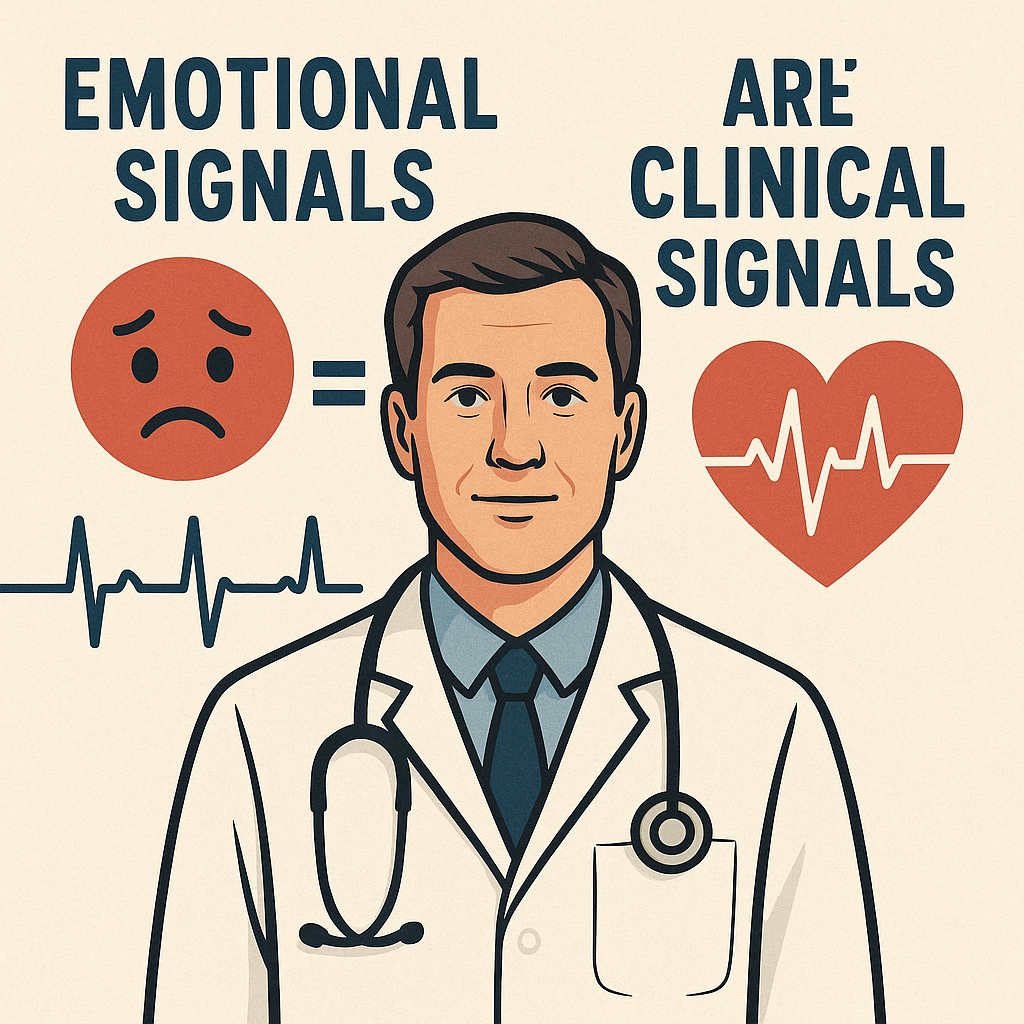
Emotional Signals Are Clinical Signals

In healthcare, many risks begin long before they’re clinically visible. Patients often communicate these early warnings not through lab results or diagnosis codes, but through emotion. A pause on the phone, uncertainty in their voice, or a pattern of disengagement may all point to something deeper—a growing gap in care. Discomfort, confusion, or apathy are not just feelings; they’re signals. They can indicate a patient’s misunderstanding of their treatment plan, fatigue with medications, fear of a diagnosis, or even a deeper lack of trust in the system. When these cues go unnoticed, patients slip away quietly—leading to missed appointments, dropped therapies, and worsening health outcomes. AIACO listens differently. Our platform captures and interprets these emotional signals in real time. Whether it’s through natural language, response timing, or behavioral silence, AIACO distills unspoken concerns into structured, actionable insights. We don’t wait for a crisis—we intervene before one emerges. By translating emotion into data, AIACO enables smarter, faster decision-making. Care managers can prioritize outreach, automate reassurance, or escalate support—based not just on what was said, but how it was said. This is how true prevention begins—not with metrics, but with meaning.
Behind every ignored concern is an unmet clinical need.
  • Patients often express risk emotionally before it's measurable clinically.
  • Subtle emotional cues—like uncertainty, withdrawal, or agitation—can reveal hidden health risks long before test results or diagnoses. These early expressions often signal confusion, fear, or disengagement. AIACO identifies and interprets these signals in real time, enabling timely intervention before the problem escalates into a clinical or financial burden.

  • Discomfort, confusion, or apathy can signal non-adherence, undiagnosed issues, or disengagement.
  • Disengagement often hides in plain sight—through patient discomfort, confusion, or emotional withdrawal. These signals frequently point to deeper problems like skipped medications, misunderstood instructions, or unspoken health concerns. AIACO detects these early warning signs, turning emotional friction into actionable insight that keeps patients connected and care plans on track.

  • AIACO translates these soft cues into structured insights—triggering real interventions.
  • AIACO captures subtle emotional cues and transforms them into structured, actionable insights. By interpreting tone, language, and silence, the system identifies underlying risks others miss. This real-time awareness enables immediate, intelligent interventions—helping close gaps, improve adherence, and support patients before clinical deterioration or costly events occur.

Trust Drives Disclosure

In healthcare, information is everything—but patients rarely disclose what matters most unless they feel safe. They don’t open up to cold systems or generic scripts. They open up to presence—to something that listens, responds, and adapts in a way that feels personal. That’s where AIACO begins. We don’t just automate outreach—we simulate presence. Through emotionally aware language models, calibrated response timing, and dynamic tone modulation, AIACO creates interactions that feel seen, not scripted. Patients begin to share more than just symptoms; they reveal concerns, barriers, even fears that might otherwise stay hidden. This trust is not accidental—it’s engineered. When a patient trusts the voice they’re hearing, they’re more likely to admit they forgot a dose, didn’t understand instructions, or can’t afford transportation. These disclosures unlock critical insight that manual systems would miss entirely. And once that insight is captured, AIACO doesn’t just log it—it responds. Follow-up is triggered, care is escalated, gaps are closed. Presence isn’t a luxury—it’s a strategy. In a value-based care economy, trust equals data. Data equals action. And action closes gaps. By designing presence into every interaction, AIACO ensures that trust is not a byproduct—it’s the entry point for smarter care. Patients open up to us. And because they do, we can act.
Patients don’t open up to systems. They open up to presence.
  • Feeling “seen” increases honesty in intake, follow-ups, and care coordination.
  • When patients feel truly seen, they become more honest during intake, follow-ups, and care coordination. This emotional safety encourages them to share barriers, fears, or missed steps—details that might otherwise be hidden. AIACO fosters this openness, turning emotional trust into clinical clarity and more effective, targeted interventions.

  • When patients feel understood, they report symptoms, behaviors, and barriers more accurately.
  • Patients who feel understood are more likely to report symptoms, behaviors, and personal barriers with clarity and honesty. This emotional alignment builds trust, reduces miscommunication, and ensures providers receive the full picture. AIACO nurtures that understanding, transforming each interaction into a more complete, actionable portrait of patient reality.

  • Honest disclosure becomes the raw material for true gap detection.
  • Authentic disclosure is the foundation of meaningful care. When patients speak openly, their words reveal gaps traditional systems overlook. AIACO captures and processes these truths, transforming them into structured data that drives proactive intervention. Real gap detection begins not with claims—but with trust, voice, and the courage to be heard.

Silence Hides Risk

In traditional care systems, silence is too often mistaken for stability. A patient who stops calling, stops responding, or stops asking questions is frequently assumed to be doing well. But in reality, silence is one of the clearest signs of emerging risk. Quiet does not mean calm—it means disengaged, disoriented, or defeated. Patients fall silent for many reasons: confusion about instructions, lack of transportation, medication side effects, fear of judgment, or emotional burnout. Each one of these can signal a care gap waiting to widen. But static systems don’t notice silence—they only react once a claim hits or a crisis forces attention. AIACO listens differently. When a patient stops interacting, we don’t treat it as absence—we treat it as signal. Our AI tracks behavioral patterns across time, context, and modality. If someone usually confirms appointments but suddenly doesn’t, we notice. If they skip medication refills without explanation, we detect it. AIACO doesn’t need noise to act. It responds to lack as an alert in itself. This approach turns disengagement into a trigger—not a missed opportunity. By identifying who has gone quiet and why, AIACO helps teams re-engage patients before their silence becomes a hospitalization, a dropped plan, or a missed opportunity for care. In a value-based model, silence isn’t neutral—it’s a red flag. And we treat it that way.
A quiet patient isn’t a stable one—they’re often lost in the system.
  • Disengaged patients may still have active, unspoken needs.
  • Disengaged patients aren’t empty—they’re often carrying unspoken needs. Fear, confusion, or life barriers can cause them to withdraw without ever asking for help. AIACO identifies these silent signals, recognizing that absence doesn’t mean stability. By re-engaging early, we address hidden risks before they become costly clinical or contractual failures.

  • AIACO detects absence of interaction as a signal, not just a missing entry.
  • AIACO treats silence as a signal—not a gap in data, but a sign of disengagement. When interaction patterns break, our system takes notice. This absence triggers intelligent follow-up, recognizing that what isn’t said can be just as important as what is. Inaction becomes action, before it's too late.

  • We re-engage before the gap becomes a crisis.
  • AIACO doesn’t wait for emergencies to act. When signs of disengagement appear, we initiate timely, intelligent re-engagement—often before anyone else notices a problem. By intervening early, we prevent care gaps from escalating into crises, reducing avoidable costs and keeping patients on a stable, supported path to better health.

Personalization Increases Action

When patients feel like just another number, they act like it—disengaged, delayed, or disinterested. But when communication feels personal—when patients feel known—everything changes. Response rates go up. Follow-through becomes natural. Care becomes a relationship, not a transaction. At AIACO, personalization isn’t a buzzword. It’s a behavioral tool. We adapt our messaging not just by name or condition, but by behavior, tone, and emotional context. If a patient responds well to encouragement, we nudge with warmth. If they’ve missed appointments multiple times, we switch to clarity and urgency. This level of adaptive outreach creates a sense of familiarity—one that traditional call centers or static text systems can’t replicate. Why does this matter? Because action closes gaps. When patients feel like someone is actually paying attention, they’re more likely to confirm that appointment, refill that prescription, or answer that call. The friction drops. Resistance fades. What once felt like an obligation now feels like support. This behavioral alignment is subtle—but it drives outcomes. In the AIACO model, personalization isn't layered on top—it’s baked into every interaction. That’s how we move from engagement to action, from intention to execution. And for ACOs and payers, that means fewer gaps, better metrics, and lower cost per intervention. Personalization isn’t just thoughtful. It’s strategic.
Feeling known makes patients more likely to respond, schedule, and follow through.
  • Outreach feels less like spam, more like care.
  • When outreach is personalized and emotionally attuned, it stops feeling like spam and starts feeling like care. Patients recognize intention behind the message. AIACO crafts each interaction to resonate—warm when needed, firm when required—making patients more receptive, responsive, and willing to act. Connection drives compliance, not automation alone.

  • Micro-adaptations in tone, timing, and phrasing drive measurable increases in patient response.
  • Small changes make a big impact. By adjusting tone, timing, and phrasing to match each patient’s behavior and emotional state, AIACO creates messages that land more effectively. These micro-adaptations boost engagement, improve follow-through, and turn passive reminders into meaningful moments that patients recognize, trust, and respond to consistently.

  • This converts into appointment show-rates, med refills, and lab compliance.
  • Personalized communication doesn’t just feel better—it performs better. When patients feel understood, they’re more likely to show up for appointments, refill medications, and complete labs. AIACO’s tailored outreach translates emotional resonance into measurable action, closing gaps and driving the clinical behaviors that improve outcomes and lower total cost of care.

Felt Care Improves Retention

In value-based care, retention is everything—for both patients and the contracts that serve them. When people feel forgotten, dismissed, or handled impersonally, they disengage. They stop responding, stop attending, and eventually drop off altogether. That churn is costly—not just in dollars, but in missed quality targets and risk score deterioration. But when care feels human—when it feels like someone is actually paying attention—patients stay. AIACO makes care feel personal at scale. Every message, every check-in, every nudge is emotionally aware and behaviorally intelligent. Patients feel known. And in that feeling, they stay connected. Because in healthcare, felt care is remembered care. This matters deeply in an ACO environment. Contractual success depends on sustained relationships, completed measures, and long-term engagement. A patient who completes their wellness visit once but leaves the plan next year doesn’t move the needle. But a patient who feels valued, heard, and guided consistently will stay—and perform. AIACO doesn’t just engage patients. It retains them. By fostering trust, personalization, and presence, our system creates a healthcare experience that patients don’t want to walk away from. The result? Higher satisfaction scores, lower churn, and greater contractual performance—both clinically and financially. Human feeling isn’t soft. It’s stickiness. It’s strategy. And with AIACO, it’s built into every word.
Systems that feel human keep patients—and contracts.
  • Perceived empathy improves plan retention, satisfaction scores, and CAHPS metrics.
  • When patients perceive empathy, they’re more likely to stay engaged, satisfied, and loyal to their care plan. This emotional connection directly boosts plan retention, improves CAHPS survey responses, and raises overall satisfaction scores—key metrics for ACO success. With AIACO, empathy isn’t accidental; it’s engineered into every interaction.

  • High-touch, emotionally resonant systems reduce churn—key to value-based contracts.
  • Emotionally resonant systems create lasting bonds. When patients feel consistently supported and understood, they’re far less likely to disengage. This high-touch approach reduces churn and improves continuity—critical factors in meeting value-based contract goals. AIACO ensures every interaction reinforces connection, keeping patients aligned with care and plans performing at peak.

  • Feeling needs isn’t fluff—it’s fiscal strategy.
  • Recognizing and responding to patient needs isn’t just compassionate—it’s financially smart. Emotional awareness drives better adherence, retention, and satisfaction, all of which impact key performance metrics. With AIACO, “feeling needs” becomes a repeatable, scalable strategy that supports both improved health outcomes and the fiscal demands of value-based care contracts.