Lack of Centralized Data Infrastructure Hurts Traditional ACO's

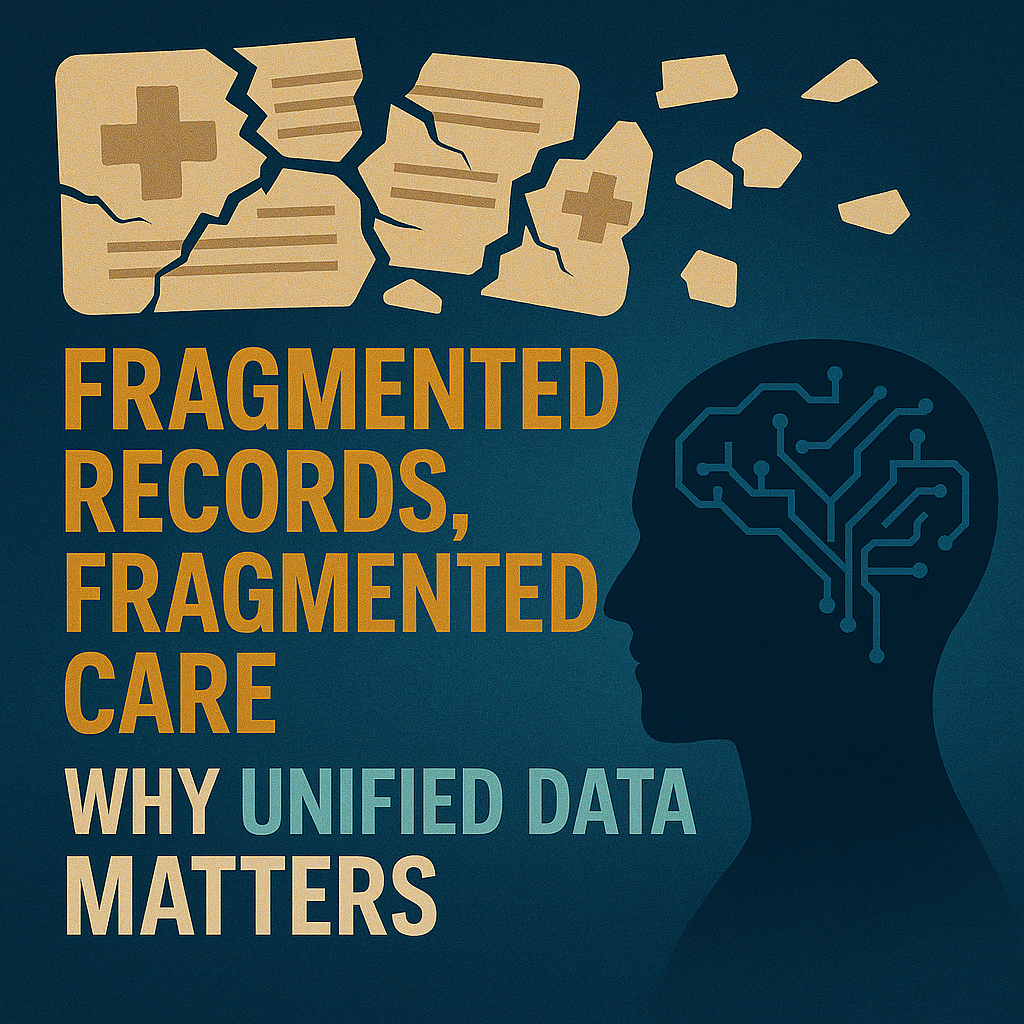
Fragmented Records, Fragmented Care: Why Unified Data Matters

For Accountable Care Organizations, fragmented data is more than a technical inconvenience—it’s a care crisis. Without centralized infrastructure, data remains locked in siloed EHRs, obscuring a clear view of the patient. Care decisions are delayed, duplications are frequent, and gaps go unrecognized. In a value-based care world, this inefficiency is unsustainable. The ability to access real-time, comprehensive views of patient data is foundational to achieving the Triple Aim: improving the patient experience, enhancing population health, and reducing costs. Yet too many ACOs operate with outdated or incomplete data pathways, which diminishes their ability to respond quickly to clinical needs. As care continues to shift toward integrated delivery and preventive intervention, centralizing data infrastructure is no longer optional—it is strategic, urgent, and deeply human.
 
Why Data Centralization Is Mission-Critical
  • Disconnected EHR Systems Undermine Continuity
  • Even within the same ACO network, multiple EHR systems rarely communicate seamlessly. Each system houses partial truths, preventing care teams from understanding a patient’s full history—leading to redundant tests, missed diagnoses, and disjointed care transitions.

  • Decision-Making Suffers from Delayed Insight
  • When data is delayed or disjointed, decisions become reactive. Providers can't spot trends or catch early warnings. Real-time unified data empowers teams to intervene before small issues spiral into costly emergencies.

  • Population Health Requires Population Context
  • Population health strategies are only as strong as the data behind them. If only partial populations are visible, the entire model collapses. Centralized infrastructure ensures that insights are inclusive, accurate, and actionable across patient cohorts.

The High Cost of Fragmentation: Financial and Clinical Impact

Fragmented data infrastructure doesn’t just slow down care—it drives up costs across the board. Redundant diagnostics, excessive hospitalizations, and unmanaged chronic conditions thrive in an environment where care teams lack a unified view. For payers and providers alike, this translates to millions in avoidable spending annually. Without a centralized system, preventive interventions often come too late, and population health efforts fall short of measurable ROI. Centralization empowers real-time risk stratification, improves referral patterns, and eliminates data blind spots. Financial leadership must treat interoperability as a fiscal imperative—not just a technical upgrade.
 
Costs Rise When Data Doesn’t Flow
  • Duplicative Testing and Procedures
  • When systems don’t talk, providers repeat tests and procedures that already exist in another record. Patients are inconvenienced, and costs skyrocket with no added value to care.

  • Missed Preventive Opportunities
  • Lack of visibility into patients’ complete history leads to missed flags for screenings, immunizations, or chronic disease monitoring. What could’ve been managed early becomes costly late-stage intervention.

  • Data Blind Spots Drain Resources
  • Admin teams spend time manually reconciling data instead of streamlining care pathways. These inefficiencies compound over time, draining operational budgets and frontline energy.

The Strategic Advantage of Unified Intelligence

Centralizing data infrastructure provides a long-term competitive advantage in a landscape where outcomes and experience dictate reimbursement. ACOs that aggregate and harmonize data can deploy advanced analytics to prioritize patients at risk, personalize care journeys, and measure outcomes with clarity. This isn't just about avoiding pitfalls—it's about unlocking new capabilities. Unified platforms allow executive leadership to assess performance across regions, predict trends, and benchmark success. It also enables partnerships with payers and regulators who require consistent, validated datasets to support value-based contracts.
 
Unified Infrastructure, Unified Direction
  • Predictive Analytics Requires Clean, Central Data
  • You can’t forecast the future with half the puzzle missing. A centralized platform ensures that risk models, machine learning, and AI interventions are grounded in truth—not fragments.

  • Accountability Across the Enterprise
  • When data lives in one place, executive teams can hold departments accountable, track KPIs in real time, and optimize workflows without guesswork.

  • Collaborative Ecosystems Thrive on Transparency
  • Unified data builds trust across all stakeholders—patients, providers, and payers alike. It creates the transparency needed for long-term partnerships and shared success.

Clinical Unity: How Shared Data Enhances Patient Experience

For patients, the effects of centralized data are tangible. When every provider they see has a full picture of their health, they feel seen, safe, and well-guided. They don’t need to repeat their story at every touchpoint or worry about errors in communication. This cohesion is the essence of patient-centered care. Clinical unity through shared records reduces errors, empowers shared decision-making, and supports smoother transitions of care. Trust grows when patients experience a healthcare system that remembers them—across departments, systems, and states.
 
Empathy Requires Visibility
  • Patients Expect Seamless Journeys
  • Centralized data eliminates friction. No more “starting from scratch” at every visit. Continuity feels like compassion—and it improves outcomes too.

  • Fewer Errors, Greater Trust
  • Medication lists, allergy records, and lab results don’t get lost in translation. This reduces harm and strengthens confidence in the care team.

  • Better Handoffs Between Teams
  • Shared data means warm handoffs between specialties, faster referrals, and fewer dropped balls. Every clinician is operating from the same trusted playbook.

The Road Ahead: From Fragmentation to Fabric

The journey to centralized infrastructure is not without challenges—but the rewards far outweigh the costs. Cloud-based integration layers, AI-powered normalization tools, and vendor-agnostic data fabrics now make it feasible to unify even the most complex multi-EHR environments. Leadership must champion this change not as a tech initiative, but as a core strategic pivot. The time to stitch fragmented systems into a coordinated whole is now. The future of value-based care—and patient lives—depends on it.
 
Centralization Is a Leadership Imperative
  • Cloud-Based Interoperability Is Here
  • Today’s technologies allow real-time data harmonization across disparate systems. The tools exist—what’s needed is the will to deploy them boldly.

  • Vendor-Agnostic Solutions Unlock Possibility
  • You don’t need to replace every EHR. You need to connect them. Open standards and integration hubs make coexistence practical and sustainable.

  • This Is a Boardroom Decision
  • Infrastructure centralization isn’t just for IT. It belongs in board discussions, strategy sessions, and mission statements. It is the spine of ACO transformation.